Guest post in partnership with Secure Cycle Store.
You've invested in a quality bike, you've got a Sold Secure Gold lock, you're even covered by a specialist bike insurance policy. Job done, right?
Not just yet. There's one question most cyclists never think to ask until it's too late: does where you store your bike actually affect whether your insurance claim is valid? The short answer is yes, it matters more than most people realise.
Whether you're parking up at home, leaving your bike at work all day, or locking up at the cafe, how and where your bike is stored matters, both for preventing theft in the first place and for making sure your cover holds up when something goes wrong.
Here's what you need to know.
Why Storage Matters To Your Insurer
When you make a theft claim on your bike insurance, your insurer will ask a series of questions. One of the most important is, where was the bike when it was stolen and was it secured appropriately?
Laka's theft cover applies at home and on the go, including theft from inside a locked vehicle, but the keyword in any insurance policy is, Secured. Like all specialist insurers, Laka assesses whether reasonable precautions were taken at the time of a claim. That means the quality of your storage situation is never irrelevant, it's an important factor for how a claim is assessed.
The Three Storage Scenarios
1. Stored at Home – Unsecured
Leaving your bike leaning against a wall in an unlocked garage, or propped in a communal hallway with uncontrolled access, is the scenario most likely to cause problems if it's stolen. Even with a valid insurance policy, a claim may be challenged if the storage location wasn't locked or access wasn't controlled.
The principle is straightforward: insurers expect policyholders to take reasonable steps to prevent loss. A bike stored somewhere that isn't locked or isn't solely under your control can affect the validity of a claim.
What you could do instead: Store your bike in a locked, dedicated space, such as a purpose-built bike shed or locker that meets certified security standards.
2. Stored at Home – In Secure Storage
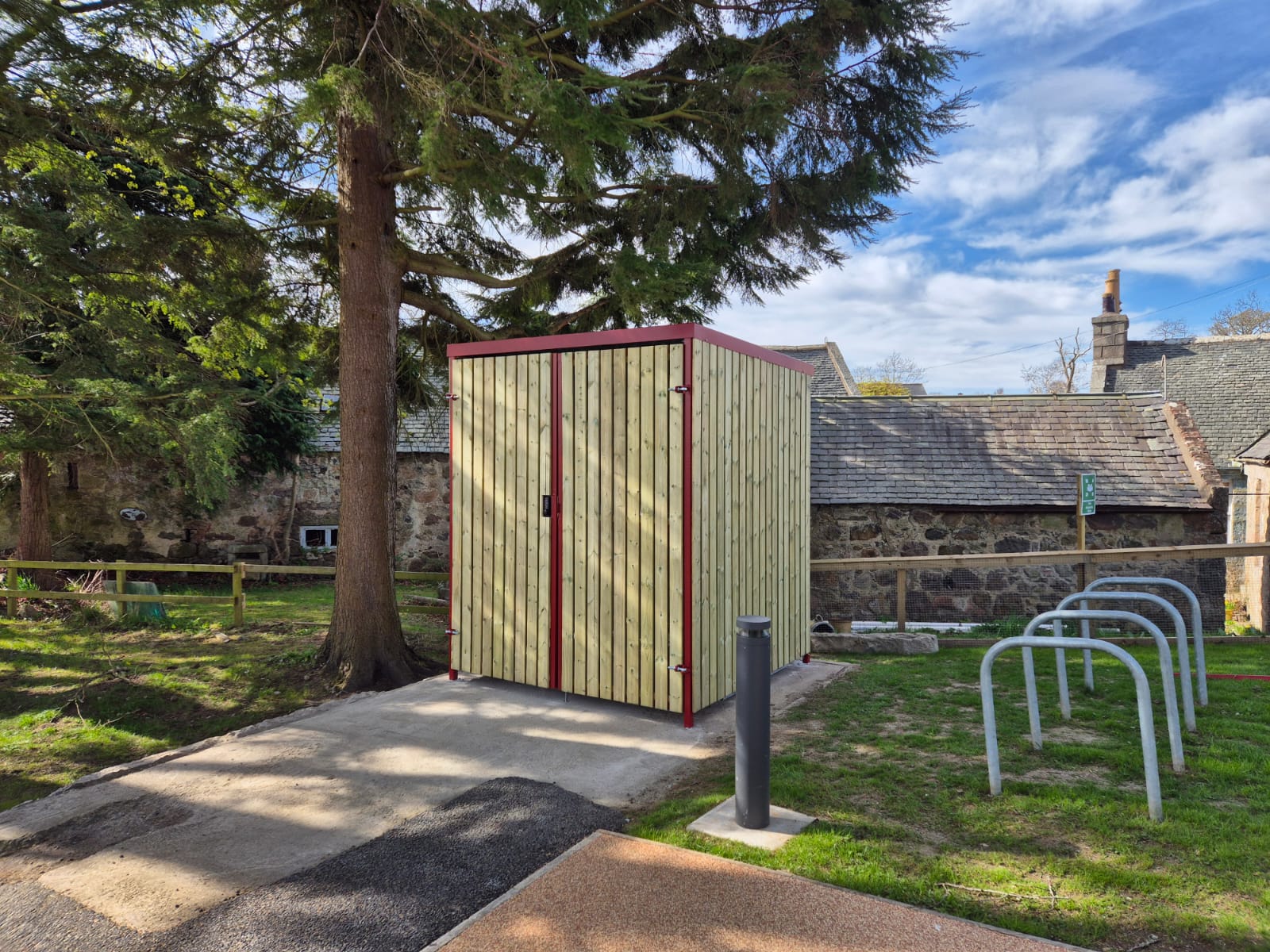
This is the most effective standard for home storage. A purpose-built, secured bike storage unit, bike locker, bike shed, or enclosed cycle shelter with a quality lock, can significantly strengthen your position when making a claim.
Secure Cycle Store manufactures a range of bike shelters, bike sheds, bike lockers and bike racks, many of which carry Secured by Design accreditation, which is a police-backed security standard that demonstrates your storage meets a recognised level of protection.
When your bike is stored in a Secured by Design structure and is also secured with a Sold Secure Gold or Diamond rated lock, you're demonstrating that reasonable security precautions were in place at the time of any loss to keep your bike safe from those pesky thieves!
3. Stored Away from Home – At Work or in a Public Space
This is where cyclists are vulnerable, it's where the gap between having insurance and having valid insurance is widest.
Laka recommends locking your bike in a public area with high footfall, securing the bike through the wheel and frame, not just the wheel alone and using a solid immovable object to secure your bike to. When your bike is at a work location all day, a standalone lock is only one aspect of valid security.
If your workplace provides a secure cycle shelter or lockable bike storage facility, that's a significant layer of additional protection, both physically and in the context of any future insurance claim. If the only option is a railing outside the building, or an unsecured room, the security risk exposure is deemed higher.
What Laka’s Policies Actually Require
Laka offers two main products:
- Core (theft and third party liability)
- Complete (theft and third party liability with added crash and accidental damage, emergency travel expenses/roadside recovery and optional racing and travel cover).
How the bike was stored and secured is a relevant factor in any claim across both insurance products.
Key things to note as a Laka customer:
- Lock requirements matter – Most insurance policies require a Sold Secure Gold or Diamond rated lock as a condition of theft cover. Using a lower-rated lock, or no lock at all can invalidate a claim. You can read more about Laka's locking requirements here.
- At-home theft is covered – the storage location needs to be locked and access controlled solely by you. A locked, purpose-built space is often one of the best places to store your bike.
- Away from home theft is covered – Your bike must be locked through the frame to an immovable object using a qualifying lock.
- There’s no excess on bike claims with Laka – This means if a claim is valid, we'll replace your bike like-for-like - plus there's no excess, or deductible to pay. Simple as that. Secure storage and appropriate locking are key parts of keeping your bike protected.
Important note: Always refer to your specific Laka policy documents for the precise terms and conditions that apply to your cover. Policy wordings are the definitive guide, and requirements can vary between products. If in doubt, contact Laka directly before assuming you're covered.
The Storage Solutions That Can Give You The Best Protection
Not all bike storage is equal from an insurance perspective. UK household surveys estimate around 183,000 incidents of bicycle theft in England and Wales in the year to March 2025, more than three times the number recorded by police, underlining just how much theft goes unreported. Here's a practical guide on what to look for when choosing bike security.
Bike lockers are the most secure option for home storage. A high-quality metal locker with a robust locking mechanism, ideally Secured by Design certified, offers the strongest protection against both opportunist and determined theft. The need for this level of security at home is evident through recent data explaining that 62% of bicycle thefts occur at or around the home location, making domestic storage the single most important security decision a cyclist can make.
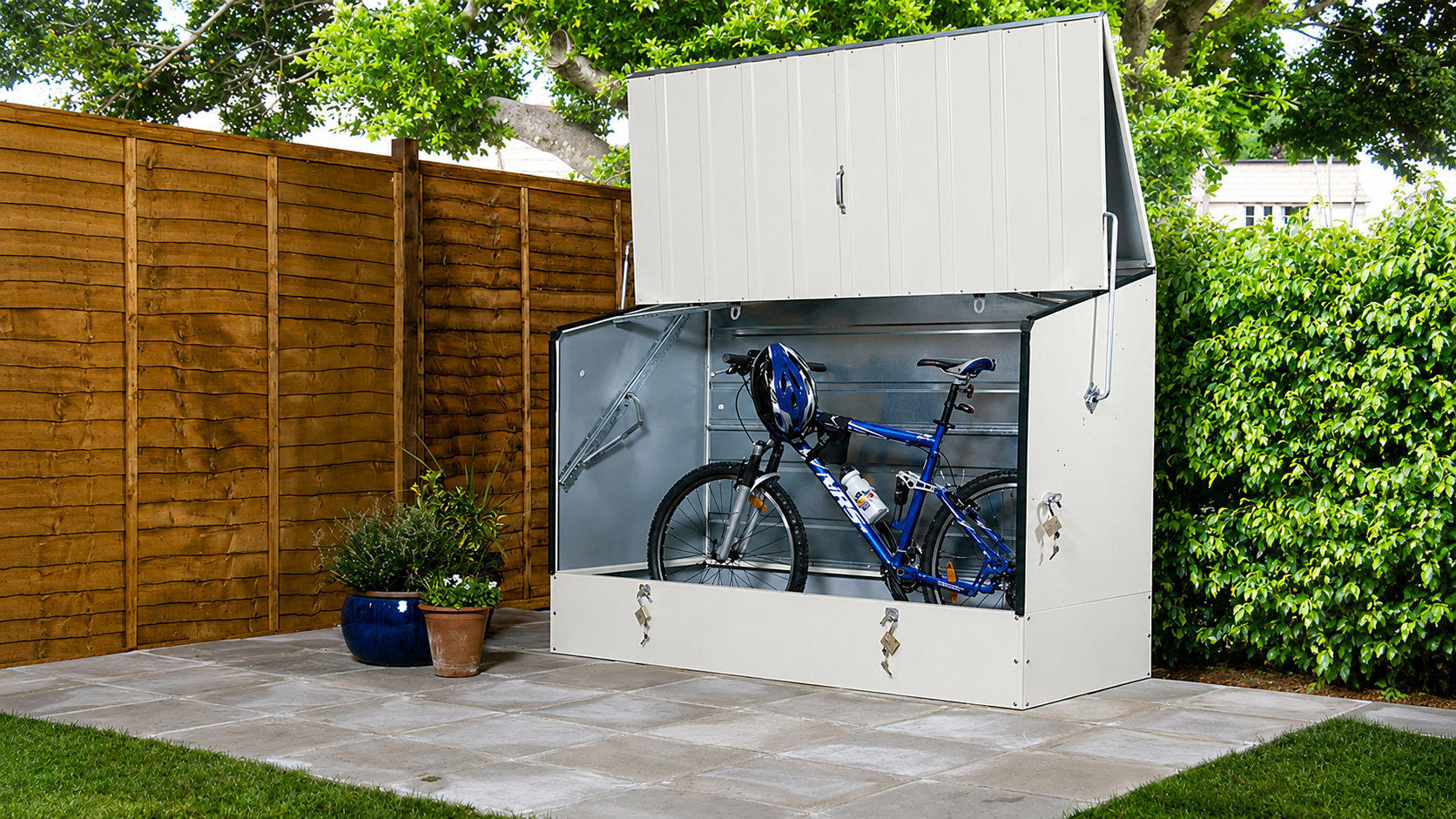
Bike sheds are ideal for households with multiple bikes. Secure Cycle Store's wooden bike sheds carry Secured by Design and Code for Sustainable Homes certifications, placing them among the most insurance-credible storage solutions available for domestic use. Pair with a Sold Secure Gold or Diamond rated lock inside the shed for maximum protection. The financial case is clear, the mean cost of a stolen bicycle is £487, a figure that makes quality storage a sound investment against a potentially significant loss.
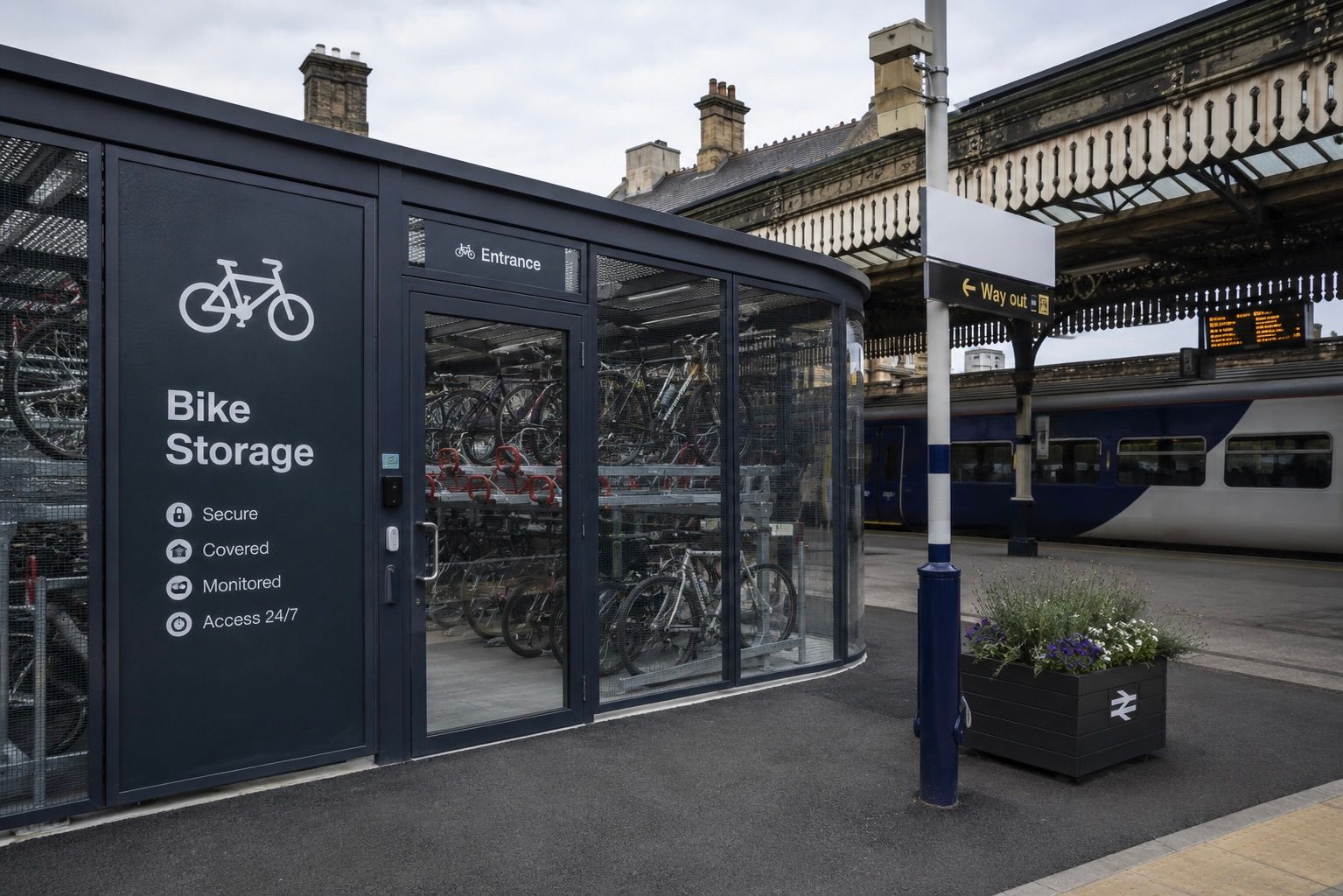
Bike shelters work well where space or access is limited. Shelters are widely used in co-residential developments, transport hubs, education buildings, hospitals etc. Active Travel England's guidance on new residential developments includes certain criteria as standard which influences planning expectations for new developments.
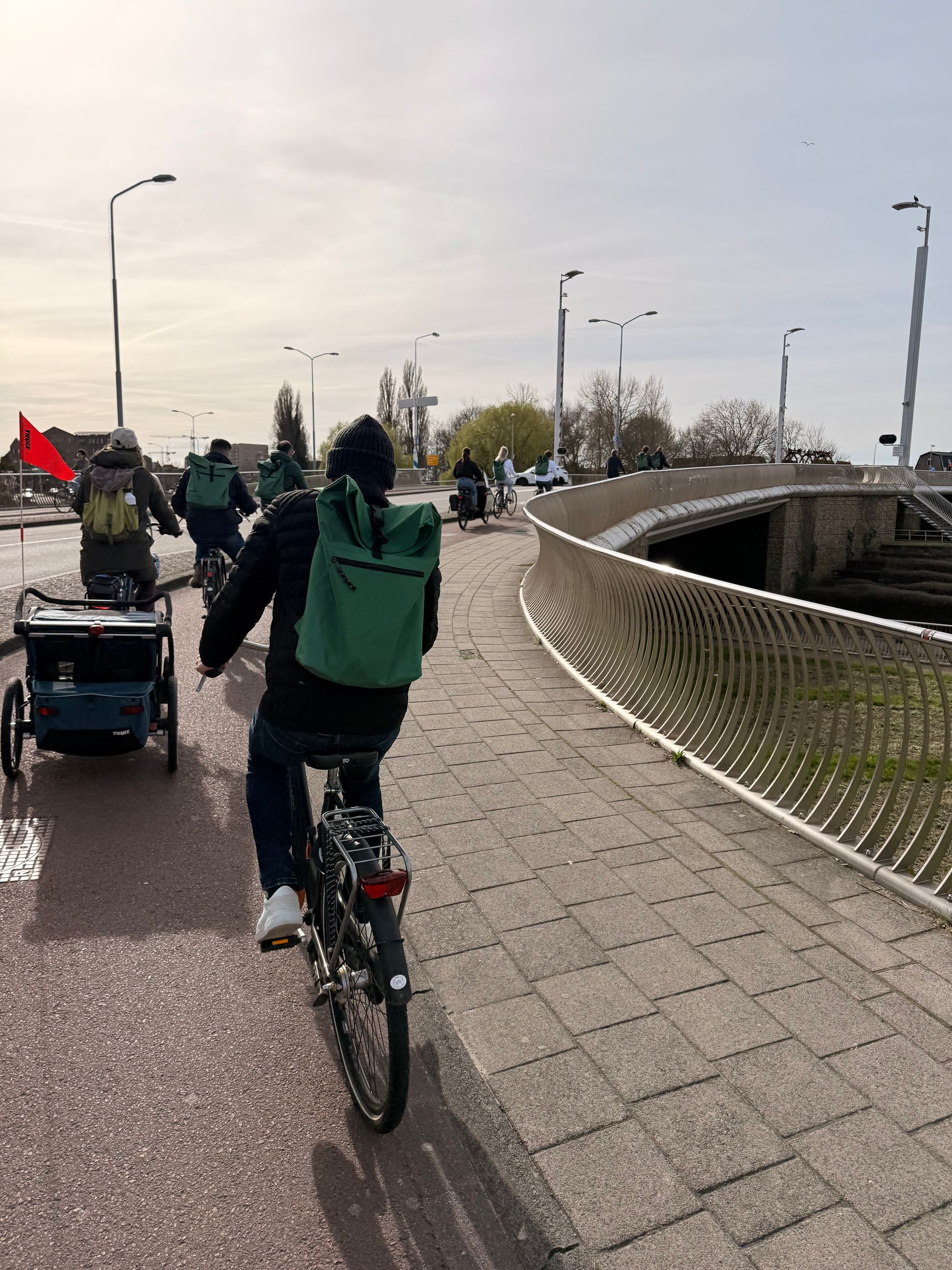

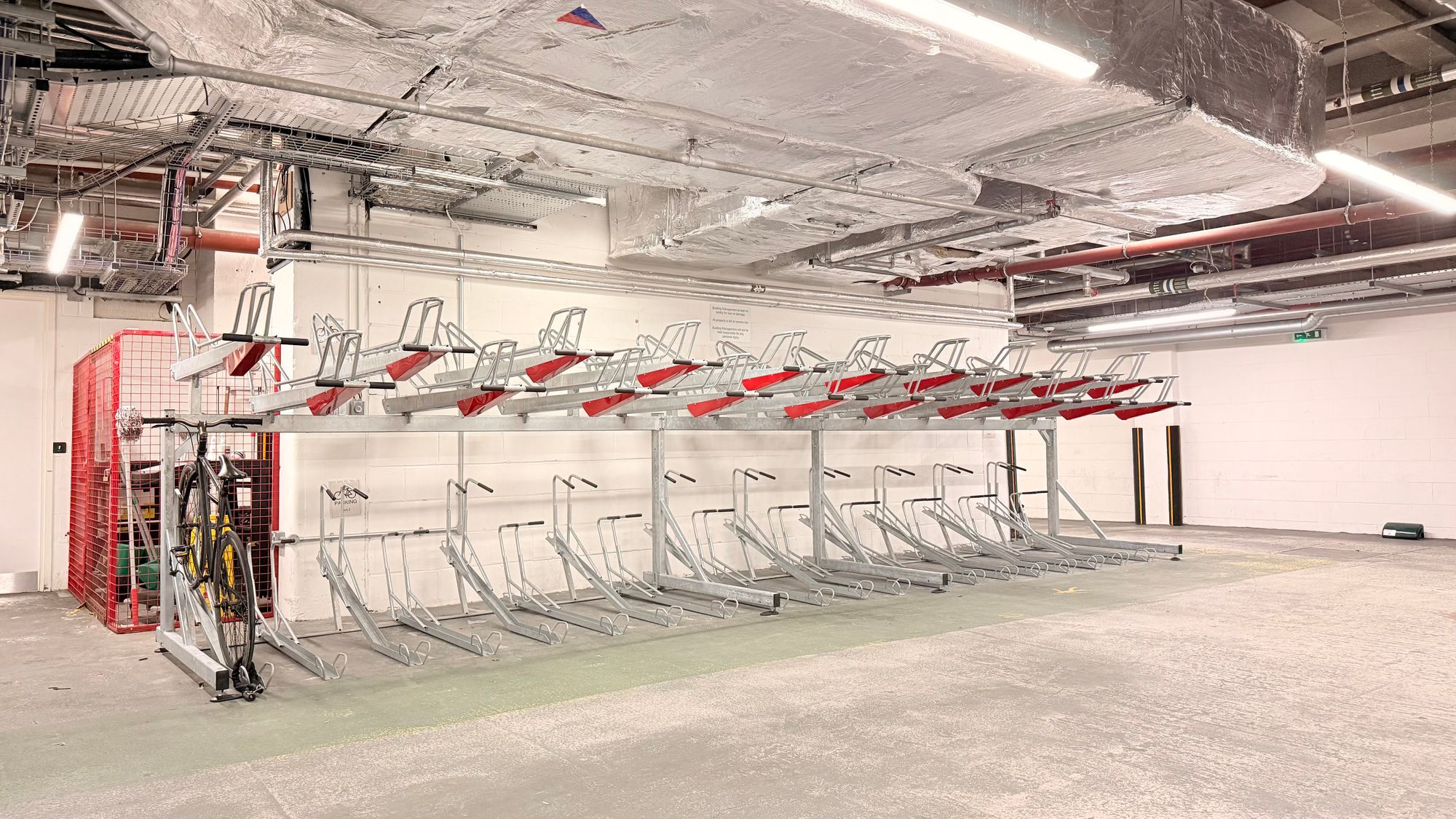
Workplace storage deserves particular attention. If your employer provides cycle storage, the quality of that storage affects your risk profile every single working day. Active Travel England recommends that cycle parking in workplaces should offer secure access and can be provided alongside showers, lockers, bike maintenance equipment and changing areas. This meaningfully supports cycling as a mode of commute. A communal bike shelter with individual locking points, CCTV coverage and controlled access is significantly better than a simple rack in a car park. If your property has a communal bike storage facility, it's worth checking whether it's fit for purpose, not all racks are the same and previous break-ins can be a warning sign.

The broader context matters too. Active travel contributes more than £36 billion to the UK economy every year and cycling infrastructure, including secure storage, is a foundational part of that. Around 41% of households in England have access to at least one bicycle, yet theft remains a significant deterrent to cycling uptake. 71% of theft victims report being emotionally affected, with annoyance and anger the most common responses. This is a reminder that bike theft isn't just a financial issue, but one that actively discourages people from cycling overall.
If your workplace's bike security isn't up to standard, it may be worth raising with your employer. Better infrastructure benefits every cyclist in the building! Secure Cycle Store works across the commercial, residential, education, healthcare and transport sectors, designing and installing storage solutions that meet the security standards cyclists (and their insurers) require.
The Lock + Storage Combination
Here's the thing most cyclists fall short on. A great lock in poor storage, or great storage with a weak lock. The two work together. Think of it like a two-factor authentication for your bike's security:
- Factor 1 – The lock: Sold Secure Gold or Diamond rated, used correctly (through the frame, not just the wheel, to a fixed immovable object).
- Factor 2 – The storage: A secure, purpose-built structure that limits access and demonstrates responsible ownership.
When both factors are in place, you're in the strongest possible position to prevent theft in the first place.
The Bike Storage Checklist: Is Your Storage Secure?
Use this before your next renewal or claim:
- Is your bike stored in a dedicated, lockable structure at home?
- Does that structure carry a recognised security certification (e.g. Secured by Design)?
- Are you using a Gold or Diamond rated lock as part of the bike's storage?
- Is the workplace storage secure enough to meet your policy's storage and locking requirements?
- Have you read your Laka policy to confirm the specific storage and locking requirements for your cover?
- Is your bike's value accurately reflected on your policy, particularly if you have any upgraded components? It's worth checking periodically.
If you've answered no to any of these, it's worth addressing before you need to make a claim, not after.
The Bottom Line
Insurance is there for when things go wrong, but the steps you take before things go wrong are what determine whether your cover actually does what you're expecting it to do.
Storing your bike in a certified, purpose-built structure and locking your bike correctly every single time puts you in the strongest possible position, both to prevent theft and to demonstrate that reasonable precautions were taken.
Always refer to your Laka policy documents for the specific terms, conditions and requirements that apply to your cover. Policy wordings are the definitive guide. If you have any questions about your policy, Laka's team is here to help.
Guest post written in partnership with Secure Cycle Store. UK specialists in cycle shelters, lockers, racks and bike sheds, supplying and installing nationwide.
Worried about your bike getting nicked?
Protect your bike against theft and other unexpected incidents that can ruin a ride with Laka's Collective cover for cyclists. When sh*t happens, Laka's got your back.
This article has been written for informational purposes only and does not constitute insurance advice. Always refer to your individual Laka policy documents for the specific terms, conditions and requirements that apply to your cover. If you have questions about your policy, contact Laka directly at support@laka.co.