
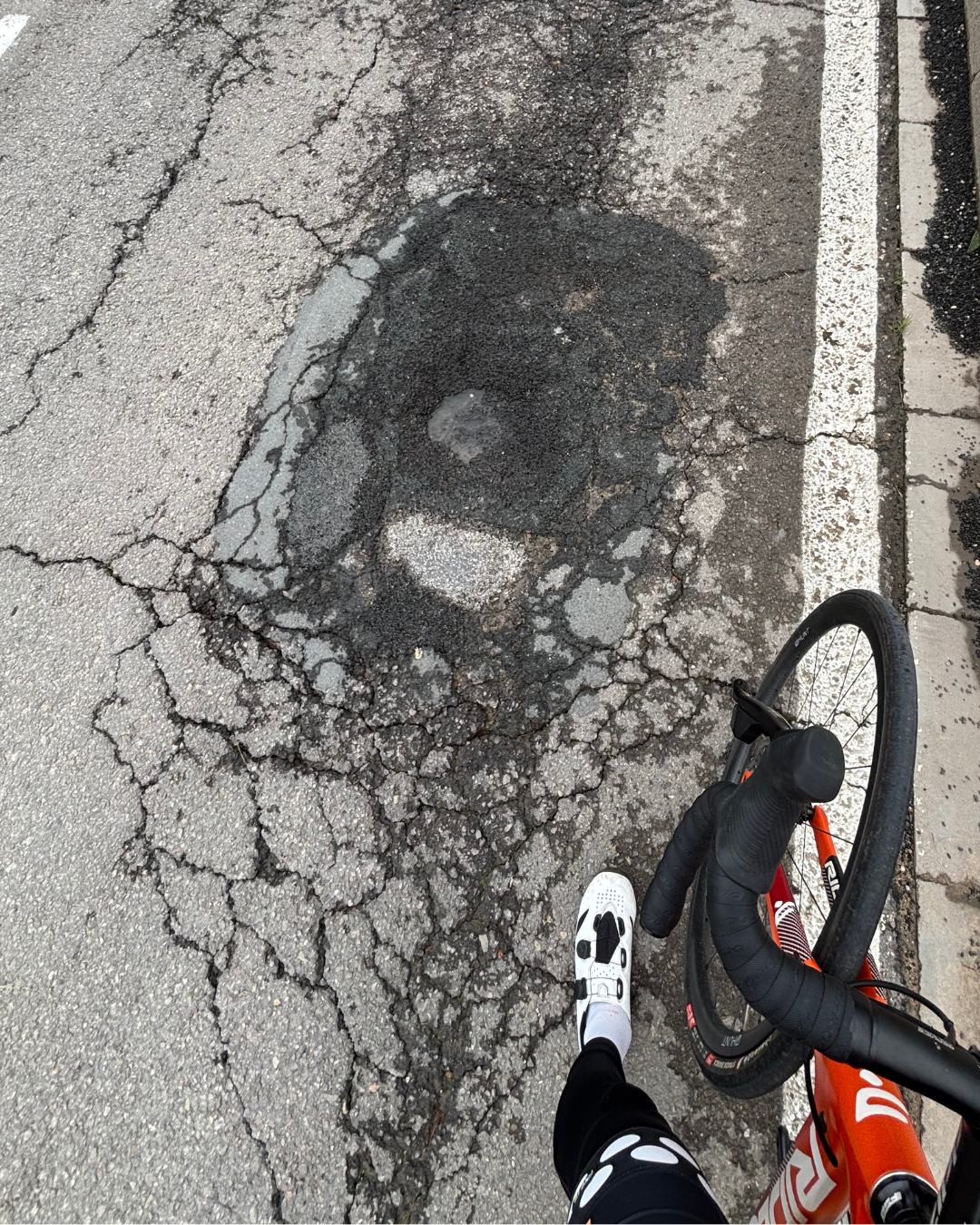
I hit a pothole. What now?
Picture this: a slick road surface, early morning light, and one second you’re cruising, the next you hear that sickening thwack - the bike bucks, and your day just got a whole lot harder.
Whether you’re commuting to work, popping out to the shops, or heading for a spirited weekend ride, potholes are a reality of cycling in the UK. They can stop your ride cold, wreck expensive kit, and, worst of all, risk your safety.
I’m Sam, and I work in the Fulfilment Team at Laka. When riders are unlucky enough to hit a pothole, my job is to source and replace your damaged gear, returning you to your original position, and to help you get rolling again.
Let’s unpack potholes properly, what they are, why they matter, and how to deal with them.
What is a pothole?
A pothole is a hole or cavity in the road surface, a section of tarmac that has broken away to leave a depression.
They range in size from shallow dips that you barely notice, to deep craters that can swallow a wheel whole.
For cyclists, the danger isn’t just the hole itself, but how hard it is to see, especially in low light or wet conditions.
Potholes aren’t just a gripe of the heavily used city roads, they’re nationwide.
Our data shows these incidents occur in every region of the UK, from busy urban streets to quiet country roads. No postcode is immune.
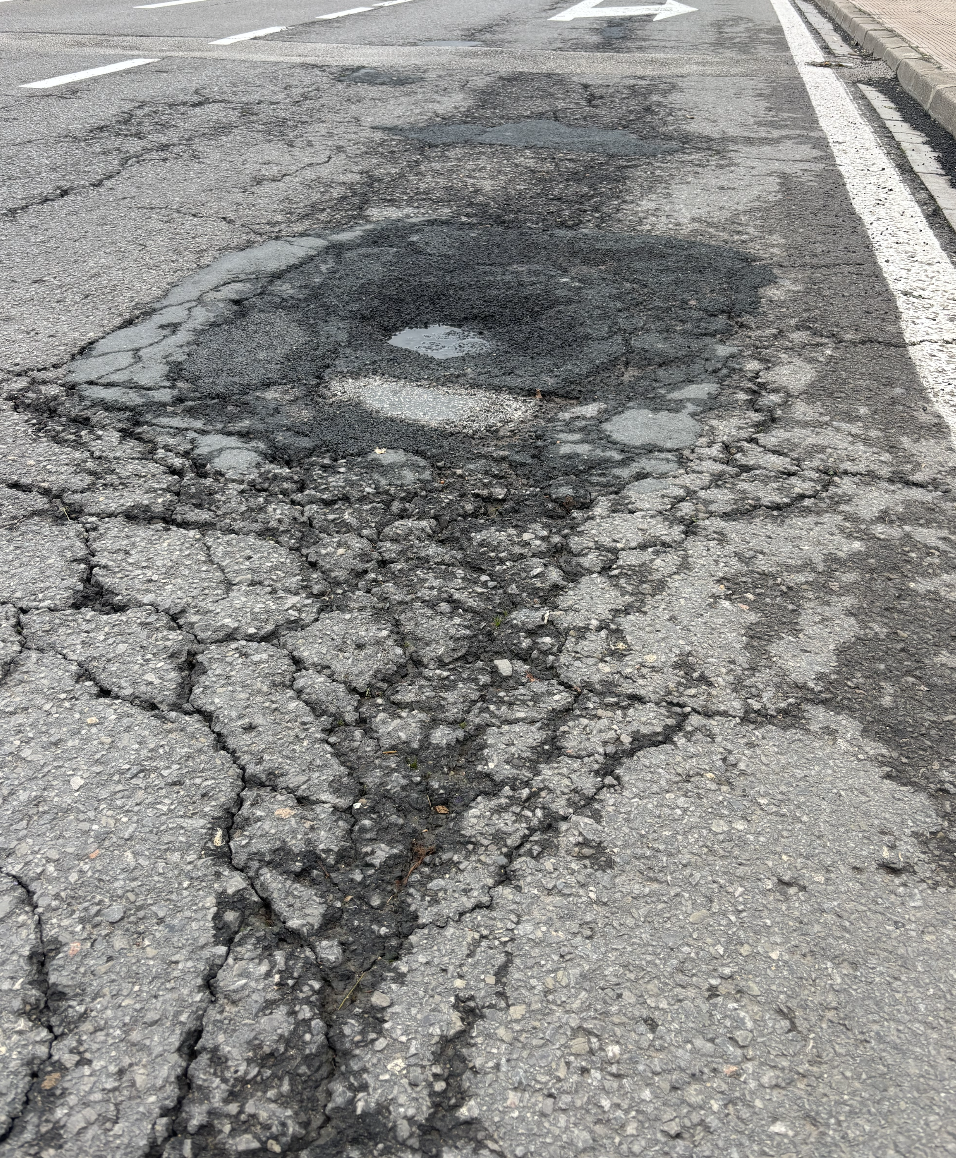
What causes potholes?
Potholes are a product of the road materials, weather, and wear and tear. Water seeps into cracks in the road surface, then expands and contracts with temperature changes. Over time, this cycle weakens the tarmac until it collapses.
On UK roads, common causes include:
- Rainwater sitting on roads and pavement edges
- Freeze-thaw cycles in colder months, making cracks wider
- Heavy traffic and repeated load stress from buses and lorries
- Poor initial repair or resurfacing works
These forces combine until the road surface fails, and cyclists feel the consequences.
Why this isn’t just a winter problem
It’s easy to blame potholes on freezing weather, but they’re a year-round issue. What does make them worse is prolonged wet weather, temperature changes, and heavy traffic - all conditions Britain sees throughout the seasons.
According to reporting highlighted by BBC News, the UK is facing a huge and growing backlog of road repairs, with councils struggling to keep up as potholes multiply faster than they can be fixed. The result? Roads that are deteriorating year-round, but hitting cyclists hardest in winter.
As one of the most exposed road users, cyclists often pay the price first.
Between 2017 and 2023, six cyclists lost their lives and more than 100 were seriously injured due to poor road surfaces. And with repair budgets under pressure and a backlog stretching years into the future, it’s unlikely this problem disappears anytime soon.
However, recent news (including reporting by ITV News) shows that it isn’t all doom and gloom, with councils getting a fresh £7.3 billion funding for local road repairs, recognising that potholes have become a significant infrastructure problem nationwide.
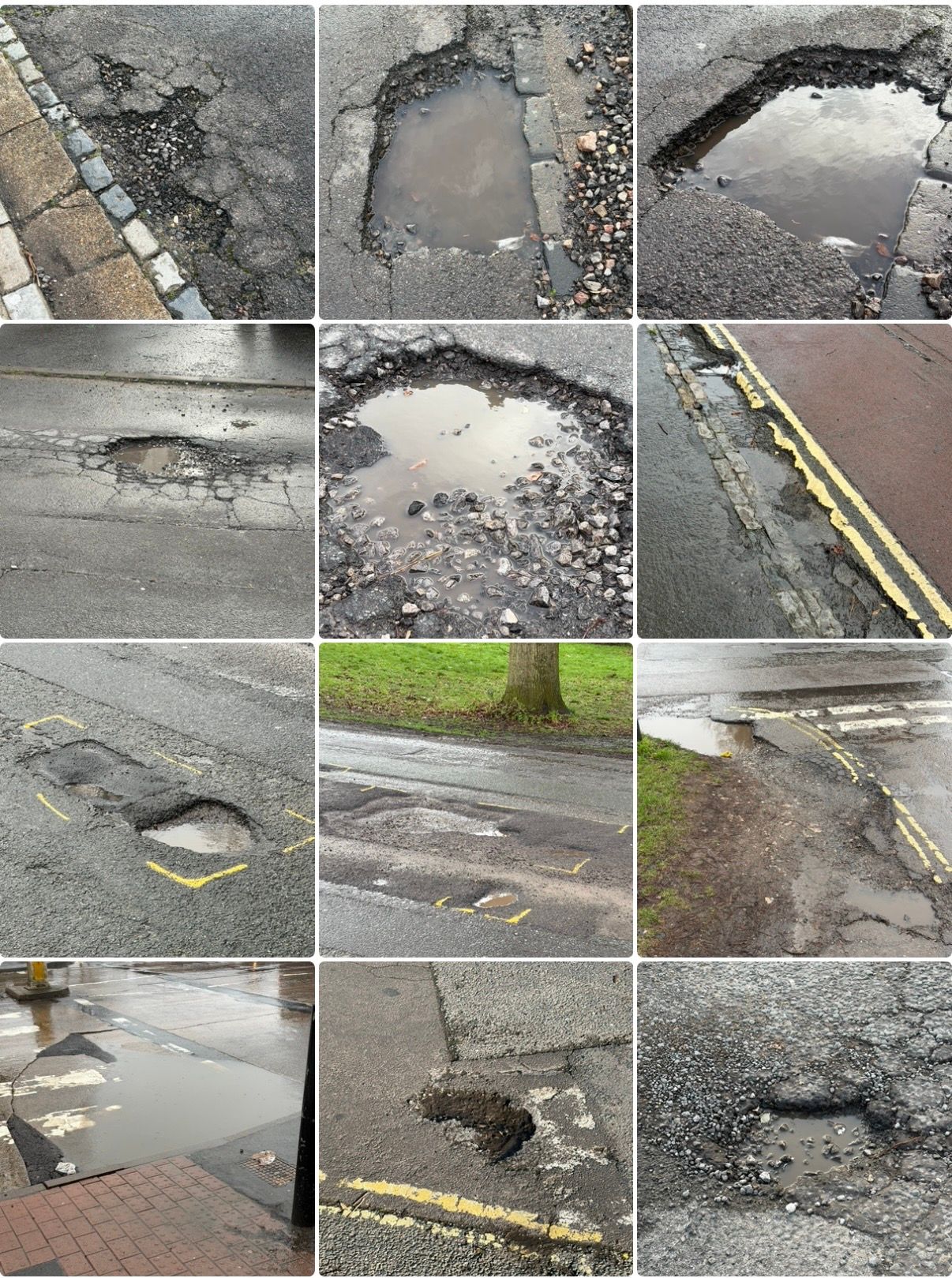
How to protect yourself and your bike from pothole damage
Avoiding every pothole isn’t realistic, especially on winter commutes. But there are ways to reduce the risk.
1. How can I report potholes? (it matters more than you think)
It can feel pointless, but reporting potholes:
- creates an official record with the respective local council
- increases the chance of repair
- strengthens any future compensation claim
You can report potholes via:
- your local council
- FixMyStreet
- or directly through national reporting tools such as https://www.gov.uk/report-pothole
Some bike computers (like Garmin) also allow hazard reporting, warning other riders who pass through later. Apps like Komoot let riders flag hazards too, small actions that genuinely help the wider cycling community.
2. Tyres: a little wider goes a long way
I’ll hold my hands up, I ride wide tyres. Very wide tyres. Probably too wide (although the gravel world is FINALLY catching up).
They’re not magic, and they won’t save you from everything, but wider tyres:
- offer more cushioning
- reduce the chance of bottoming out on the rim
- give better control on rough roads
That said: big tyres aren’t a free pass. Hit a deep pothole hard enough and you can still lose control, so don’t get complacent or forget about the next point just because you consider yourself safer (yes, this is also me telling myself).
3. Signal hazards, especially in the dark
Whether you’re riding in a group or just overtaking another cyclist, signalling potholes helps everyone.
Key signals include:
- Pointing down to mark a pothole or hazard
- Sweeping hand across if the danger spans the road
- Hand moving up and down to slow or stop
In winter, visibility is worse and reactions are slower, clear signals matter more than ever.
4. The bunny hop (optional, but useful)
No one’s asking you to send it like a pro.
But learning a small, controlled lift over an unexpected pothole can:
- reduce impact
- protect your wheels
- help you stay upright when swerving isn’t safe
Practise somewhere quiet, not on your next rush-hour commute.
The role of Fulfilment, getting you back on the road
When a pothole claim comes in, it’s the combined effort of our claims and fulfilment teams that gets you moving again.
First, the claims team reviews the damage and evidence. Once approved, my role in Fulfilment kicks in, sourcing the right replacement parts or whole new bikes, managing supplier relationships, and coordinating delivery so that you’re not stuck waiting.
We understand riders don’t want to be off their bike any longer than necessary. Whether it’s a new wheelset, a fork, or a complete bike replacement, we treat every claim with urgency, because we know that your ride matters.
Bicycle Insurance: when the unavoidable happens
Even with the best preparation, sometimes the road wins.
That’s exactly why Laka exists. We’re cyclists too, and when the worst happens, whether that’s a pothole, a crash, or something completely out of your control, we’ll do our best to get you back riding in no time.
Damage caused by potholes or poorly maintained roads can be reported to the local council, but the process can often be slow, complex, and uncertain (yawn). But, with specialist bike insurance from Laka, you can submit your claim to our team of in-house bike experts, who will assess it quickly and fairly in line with your cover.
No one wants to use their insurance. But when sh*t does hit the fan, it helps to know you’re backed by a Collective that actually understands bikes.
Final thoughts: this shouldn’t be normal, but you’re not alone
Potholes are a reality of cycling in the UK. They risk your safety, your time, and your kit. But knowledge, preparation, and the right support help you ride with more confidence, all year round.
At Laka, we’ll continue backing riders, pushing for better infrastructure, and doing everything we can to help keep you rolling. Because roads may be rough, but you don’t have to face them alone.
FAQs: UK Cycling Potholes
How can I report a pothole?
Report potholes via your local council, FixMyStreet, or similar reporting tools (www.gov.uk/report-pothole). As part of a claim, we pass pothole evidence to authorities during Subrogation’s (the team responsible for pursuing liable third parties for damages) efforts.
Can I claim for pothole damage to my bike?
Yes, with comprehensive cover such as Laka Complete, pothole damage can be covered.
Can cyclists claim compensation from councils?
Sometimes. If a pothole was previously reported and neglected, compensation may be possible, though success varies by council.
Do wider tyres really help?
They reduce risk by absorbing impact, but they don’t make you immune. Large or deep potholes can still cause damage.
BICYCLE INSURANCE AND THEN SOME
Laka’s cost-effective bike insurance has got your back if some knob nicks your bike and will get you back in the saddle in a flash. Grab your quote today.